
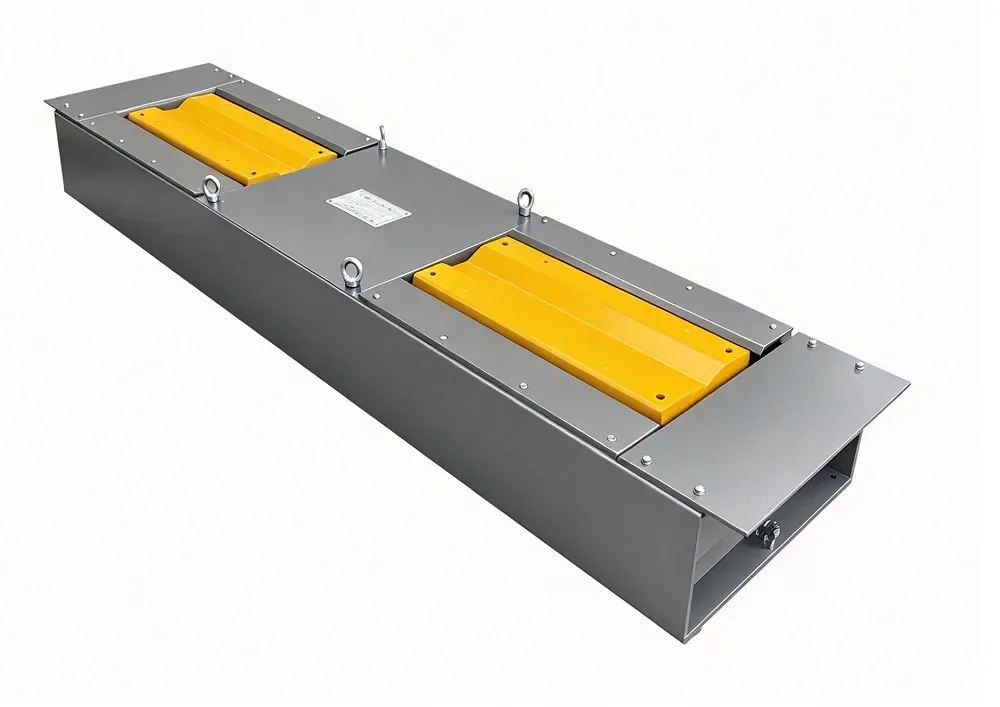
Automobile Suspension Test Bench XJ-3A
Test BenchResonant suspension tester: absorption rate >=40%, left/right difference <=15%, outputs static/dynamic wheel load, absorption rate and vibration curve.
Product Details
Automotive Suspension Device Test Bench XJ-3A (Suspension Test Bench)
The shock absorber has attenuated, and it is impossible to touch the body by hand and touch it based on experience; while the performance of the suspension is directly related to the stability of operation and braking safety, especially for small vehicles traveling at high speed. The XJ-3A suspension test bench uses the method of "excitation — power failure — resonance — attenuation curve" to measure the actual condition of the suspension device in a very short time, and directly givesKeep going or need repairsData basis.
During detection, the motor drives the platen to excite the unilateral wheels through the eccentric wheel, and the power is turned off after reaching the rotational speed. The vibration is continued by the system inertia, and the frequency gradually decays. When it crosses the resonance point, the vibration waveform is collected by the pressure sensor under the platen, and the computer processes and prints the detection results and curves; the left and right sides are measured separately, so that the comparison indicators for evaluating the left and right suspension performance are obtained.Judgment criteria: The absorption rate is not less than 40%, and the difference between the absorption rate of the left and right coaxial wheels is not more than 15%.
I. Purpose and Scope of Application
- APPLICATIONDetect and determine whether the vehicle suspension device meets the requirements and whether it needs to be replaced or repaired - suspension performance is closely related to the active safety of the car, especially for small vehicles traveling at high speed;
- Applicable modelsAutomotive suspension devices with an axle load of less than 2 t can be tested;
- Tests:① Automotive static wheel mass ② Automotive dynamic wheel mass ③ Absorption rate ④ Vibration waveform;
- Scope to be inspected (standard requirements):For passenger cars with a maximum design speed greater than or equal to 100 km/h and axle load mass less than or equal to 1500 kg, suspension characteristics shall be tested according to the specified method;
- Suitable for motor vehicle safety performance testing line, automobile factory testing line, 4S shop and maintenance enterprises.
2.Main Technical Parameters
| Item | XJ-3A |
| Rated Load Mass | 2000 kg |
| Maximum through axle load | 10000 kg |
| Platen Inner Width x Outer Width | 700-2100mm |
| Platen amplitude | 6 mm |
| Exciting frequency | 24Hz |
| Excitation motor power | 1.5 x 2 kW |
| Rated speed of excitation motor | 1450 r/min |
| Power Supply | 380V ± 10%; 50Hz ± 2% |
| Noise | < 75 dB |
III. Main Structure and Working Principle
Main StructureIt consists of a frame, a synchronizing device, a flywheel, a motor, a vibrating plate, an intermediate cover plate, an edge cover plate, etc.
- 1— Rack 2— Synchronizer 3— Flywheel 4— Motor 5— Middle cover plate 6— Vibrating plate 7— Side cover plate
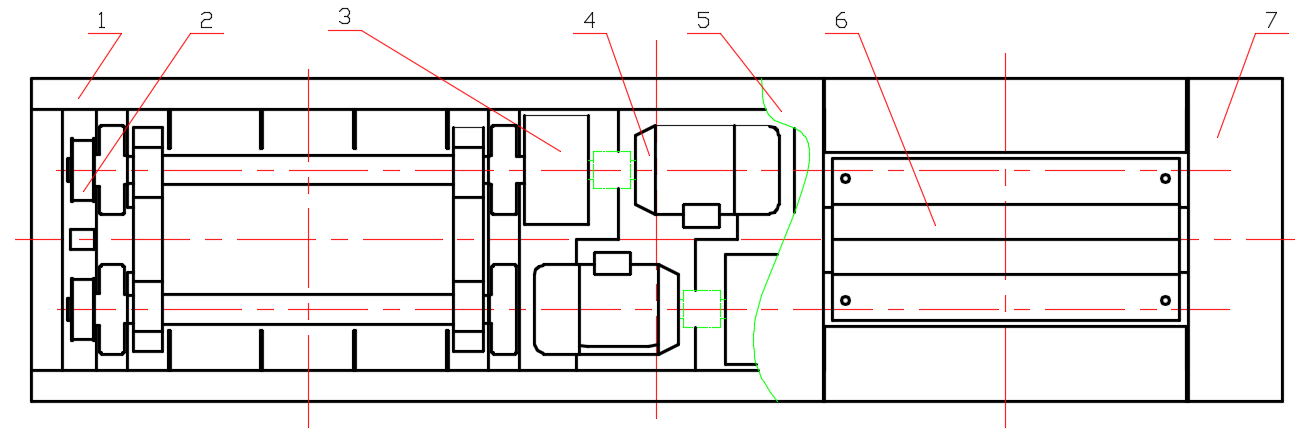
Figure 1 Schematic diagram of the structure (size unit: mm)
Working Principle:After the wheels drive on the suspension platform, the motor starts, and excites the wheels on one side through mechanisms such as the motor and the eccentric wheel. After the motor reaches a certain speed, the power is cut off, and the plate continues to drive the wheels to vibrate under the influence of the inertia of the system, and the excitation frequency gradually decreases. When the frequency attenuates to a certain value, the excitation part of the automobile suspension device and the suspension platform reaches resonance.The pressure sensor under the platform converts the pressure signal change into an electrical signal and transmits it to the computer. The computer processes the vibration waveform of the wheels on the side, and finally prints out the detection results and curves. Similarly, the other side is tested again to obtain the indicators for evaluating the performance of the suspension on the left and right sides.
4. Product Features
- Data Judgment:The difference between the direct output absorption rate and the coaxial left and right wheels, and it is not necessary to judge whether the shock absorber should be replaced by hand feeling;
- FasterSingle-axis testing is completed in a very short period of time and does not occupy the beat of the detection line;
- Left and Right Excitation Comparison:It can be found that the single-side shock absorber attenuates such "vehicle feeling is not obvious" faults;
- Four outputs:Static wheel mass, dynamic wheel mass, absorption rate, vibration waveform;
- Curve filing:The attenuation vibration curve and test results can be printed for easy archiving, re-inspection and interpretation to the customer;
- Simple structure:Motor + flywheel inertial excitation, 1.5 kW × 2 motor, no hydraulic system required;
- Low noise:< 75 dB, suitable for indoor testing stations;
- Can be calibrated:It has a calibration working mode, which is convenient for regular calibration of indication errors and ensures long-term measurement consistency.
五、检测方法与判定
使用方法:
- 轮胎规格、气压应符合规定值,车辆空载(不含驾驶员);
- 将车轮驶上悬架台,使轮胎位于台面中央位置,每个轴上的车轮及悬架系统分别测量;
- 启动电机,通过激振装置迫使悬架产生振动,使振动频率越过悬架系统的共振频率;
- 共振点过后关断激振源(电机断电),振动频率减小并通过共振点;
- 记录衰减振动曲线(纵坐标为动态轮荷、横坐标为时间),测量共振时的动态轮荷,计算并显示动态轮荷与静态轮荷的百分比,以及同轴左右轮百分比的差值。
判定:用规定方法检测时,受检车辆的车轮在外界激励振动下测得的吸收率应不小于 40%(吸收率=悬架系统共振时的最小动态车轮垂直载荷与静态车轮垂直载荷的百分比值),同轴左右轮吸收率之差不得大于 15%。
六、使用注意事项
- 不允许轴载质量大于最大承载质量的车辆进行检测或通过该设备;
- 汽车驶过检验台时须与检验台垂直,检测时不得以大于 5 km/h 的速度驶入台架;
- 准备测试时台架上不允许有任何重物;测试完成后台板上不允许长时间占压重物,以免损坏传感器、影响测试精度;
- 车辆轮胎气压应达到规定值;驶上台前底盘下部应清洗干净,清除胎面粘嵌的泥砂和石块;
- 雨天或清洗后的车辆,需待水渍不会滴到设备上时再检测;地基坑内不得进水,保持传感器及电桥板干燥;
- 不允许在强电磁干扰环境中使用,其它大功率设备不允许靠近悬架台;使用环境中不允许有腐蚀性气体、液体;
- 使用前确认工作区域内无其他人员、车辆及杂物;测试过程中请按屏幕提示操作。
七、维护与保养
- 每日:用完清理擦拭台架,清除台板上的泥砂、污物;观察示值是否正常(开机进入标定状态,左右显示值应分别在 1~10 daN 左右,否则应调零);
- 每月:检查台板各传感器接触情况,确保各传感器数据输出稳定可靠;
- 每季度:检查台板导向轴承及带座外球面轴承运转有无异响,并加注 2 号锂基润滑脂;
- 半年或一年(视使用情况):对整机精度进行一次标定检查;
- 异常处理:电机工作异常或不转动,应立即切断所有电源,检查强电箱中各接线端子是否松动、强电电源是否正常;
- 长期停用:必须切断电源,保证各零部件不落灰尘,传动部件保持润滑。
八、安装条件(选型与场地准备)
- 电源:三相四线制 380 V / 220 V 供电,与照明电路分开;电压波动不大于 10%、频率波动不大于 1 Hz;测控系统建议配置净化稳压电源;
- 接地:设备需单独接地,安全保护接地电阻不大于 4 Ω;另设防雷保护接地,接地电阻不大于 10 Ω,且与安全保护接地、交流工作接地不得有电气连接;
- 场地:车间进出口应留足空间,进口应能保证车辆直线驶入,出口应确保车轮完全驶离设备后再转向;设备基础需与大门留足距离,避免雨水进入;
- 地面:车间相对室外高度 0.1 m,水磨地面厚度不小于 0.15 m,横向纵向坡度均小于 1%;
- 基础:基础施工前请与厂家联系,按对应型号的产品地基图施工 —— 基础尺寸、混凝土厚度与强度、预埋线管与预埋件位置均需符合图纸要求;
- 走线:电源线与信号线分开敷设并保持足够距离;线管先穿 PVC 管,在灌注混凝土前置入框架外进车方向一侧的基础坑内,再经预埋钢管引出。
九、电气接口(配套参考)
- 测力传感器量程:2 t;工作电压:DC 5 V ~ 12 V;绝缘电阻:>5000 MΩ(DC 50 V);
- 接线定义:电源—红色(+)、黑色(−);信号—绿色(+)、白色(−);透明色为屏蔽线。
需要按检测线节拍选型,或与联网系统(DMS)配套、把悬架检测数据并入检测报告,欢迎联系我们获取方案与地基图核对。
Related Products
View All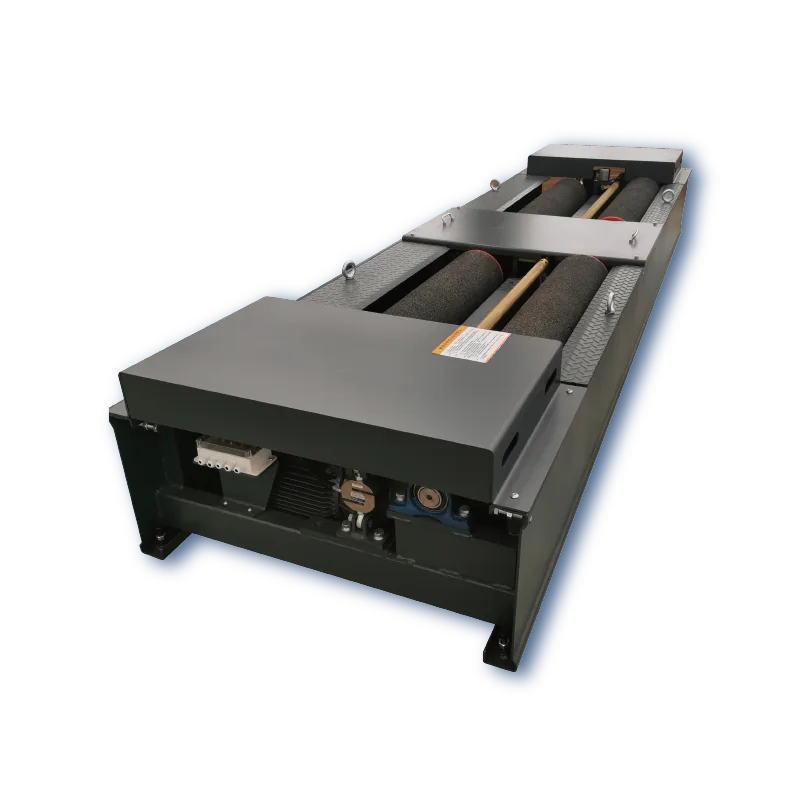
Passenger Car ABS Brake Test Bench (ZD-3CL)
ZD-3CL reaction-type roller brake test bench with weighing: max axle load 3 t, brake force range 0-900x2 daN, rollers Φ245x730 mm, inner/outer width 700x2400 mm, centre distance 432 mm, 5.5 kW motor, wireless Bluetooth ABS decoding module (Class A, 100 m) and ABSBrake2000 software for static/dynamic ABS diagnosis plus drag force, brake force and pedal/parking-brake force testing.
Learn More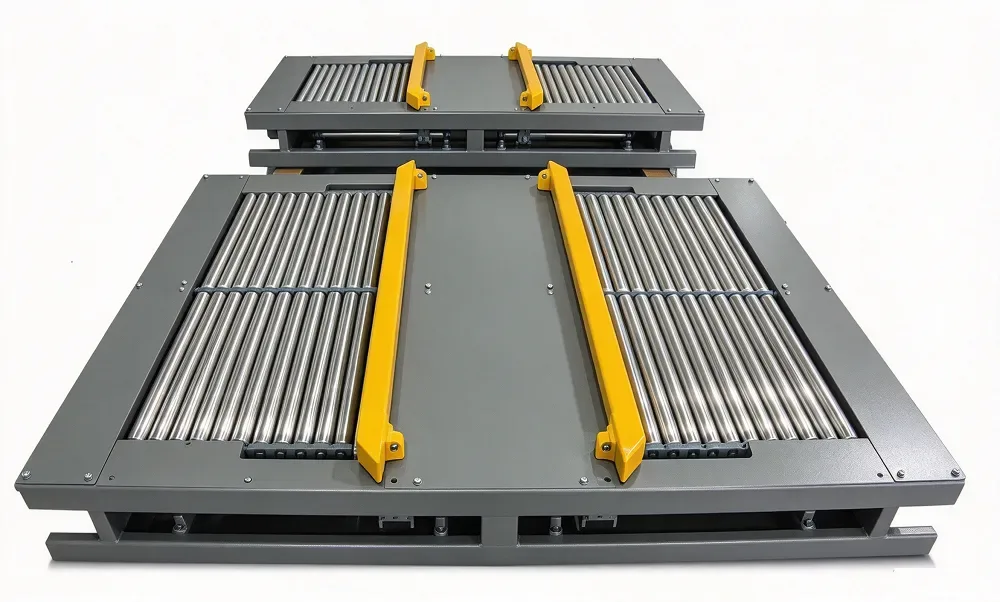
Vehicle Centering Device for Headlight Test Lane
Vehicle straightener/centering device for headlight test lanes: pneumatic symmetric expansion, 0.125° accuracy, <5s per alignment.
Learn More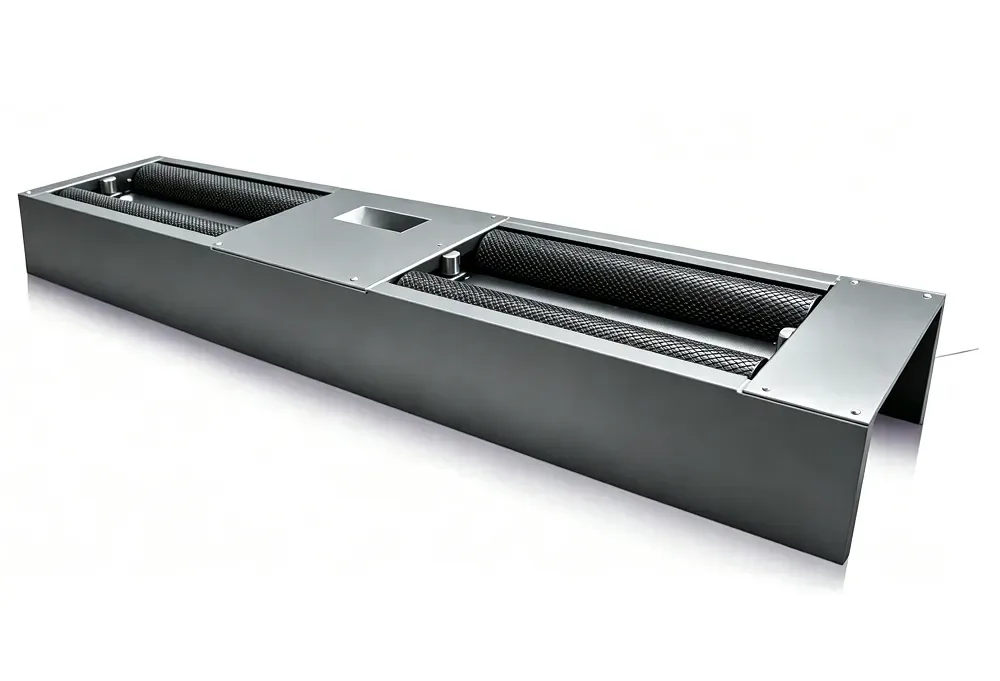
Speedometer Test Bench
Roller speedometer tester, class 0.5 accuracy, multi-drive support
Learn More
Chassis Clearance Inspector
Steering/suspension slack check, 13 t, track 1250–2050 mm
Learn MoreMore in This Category
View All- Passenger Car ABS Brake Test Bench (ZD-3CL)
- Vehicle Centering Device for Headlight Test Lane
- Speedometer Test Bench
- Chassis Clearance Inspector
- Side Slip Tester
- Plate Brake Tester
- Vehicle Centering Device (Straightening Unit)
- Free Roller Platform
- AWD Chassis Dynamometer & Emission Test System
- Vehicle Axle Load Tester